House Bill No. 9149, the Open Finance and Consumer Data Empowerment Act of 2025, aims to close the gap between how Filipinos actually participate in the digital economy and how formal lenders assess their credit risk.
Under the bill, consumers would gain the legal right to authorise accredited lenders and financial service providers to access up to 24 months of their financial and transactional data, including alternative sources such as bill payments, subscription activity, and rewards card usage.
That transaction history would give lenders a fuller picture of a borrower’s creditworthiness, benefiting Filipinos with no bank loans, credit cards, or deposit accounts to their name.
The bill would also create a Consumer Data Commission under the Office of the President to oversee its implementation.
The commission would be chaired by an SEC commissioner and co-led by at least a BSP deputy governor, with members from the National Privacy Commission, National Telecommunications Commission, and Philippine Competition Commission, alongside four private-sector representatives with banking, data protection, or fintech expertise.
Its mandate would cover setting technical and security standards for data transfers, accrediting data recipients, conducting compliance audits, and enforcing sanctions, along with submitting annual reports to Congress and reviewing the law every two years.
Todd Schweitzer, a board member of Fintech Alliance PH, has backed the bill.
Todd Schweitzer
“Open Finance legislation matters because it directly expands financial access for consumers,” he said, adding that it also opens new markets for industry to compete for customers the current system has overlooked.
A Data-Rich but Underbanked Market
Schweitzer said the Philippines remains underbanked and underserved relative to its regional peers, even though digital payments accounted for 57.4% of retail payment transactions last year and an estimated 58 million Filipinos use e-wallets.
He said what’s been missing isn’t the data itself, since Filipinos already generate rich digital footprints beyond traditional banking, but the legal right to put that data to work and a mandate requiring data-holding institutions to share it on request.
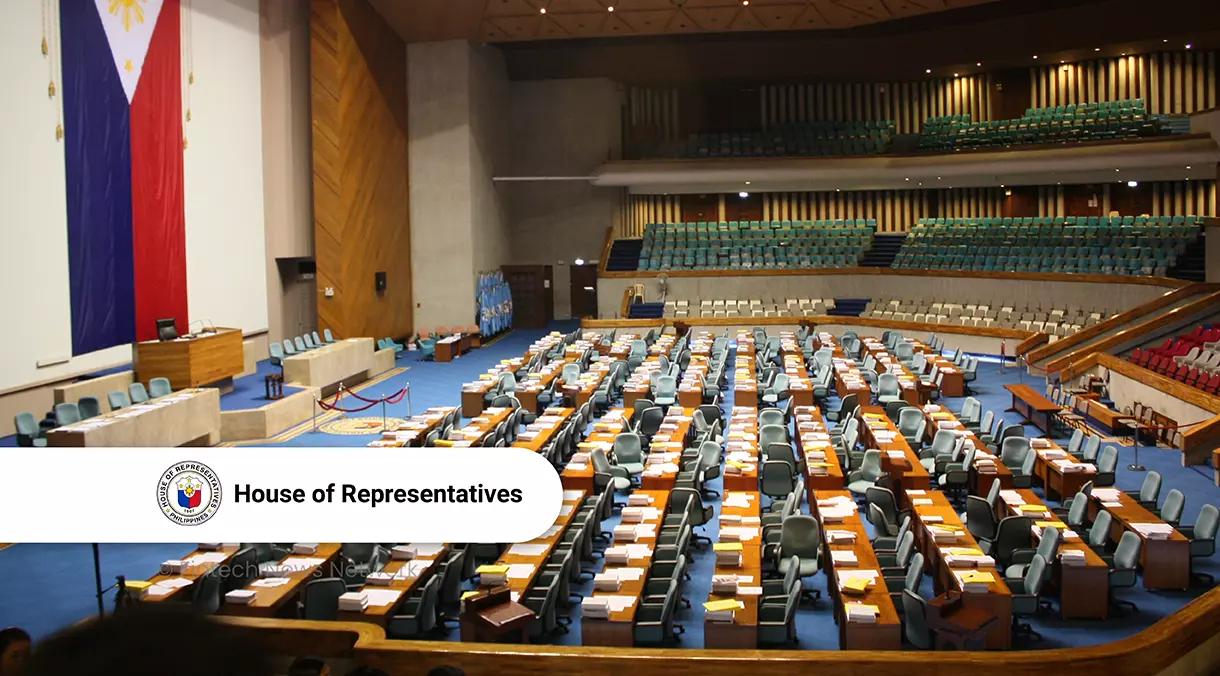
Featured image: Edited by Fintech News Philippines based on an image by Gerald Tejada via Wikimedia Commons.