BSP rolled out the strategy on 24 November at its Financial Education Stakeholders’ Congress in Manila.
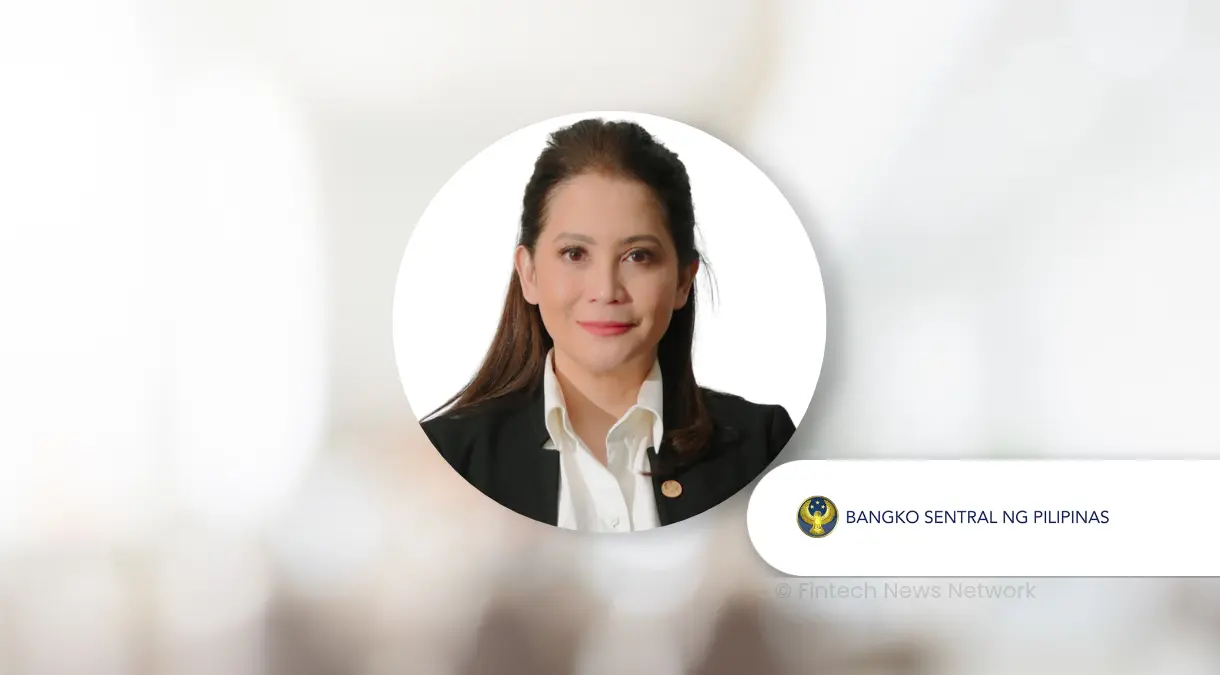
Bernadette Romulo-Puyat
“The National Strategy for Financial Education for 2026 to 2032 gives us a common direction,” said BSP Deputy Governor Bernadette Romulo-Puyat.
“Our task now is to put it into practice and make financial education more relevant, accessible, and useful to every Filipino.”
From Draft to Roadmap
BSP developed the NSFE with technical assistance from the World Bank.
Government agencies, industry associations, financial institutions, civil society and development partners also contributed.
Stakeholders first reviewed a draft in May, which situates the NSFE under the broader National Strategy for Financial Inclusion 2022 to 2028.
At the congress, participants discussed evidence-based ways to improve financial health and how consumer protection can empower communities.
Where Filipinos Stand
In the BSP’s 2025 Consumer Finance and Inclusion Survey, 74% of adults answered at least half of six financial literacy questions correctly, up from 69% in 2021, BusinessWorld reported.
Most adults (86%) said they keep a personal budget, yet only 43% were satisfied with their finances.
Formal account ownership also slipped to 50% from 56%.
The congress formed part of Economic and Financial Literacy Week 2026.
A virtual exhibit of financial education programmes by the BSP and its partners runs until 23 December.
Featured image: Edited by Fintech News Philippines based on an image by whyframestudio via Magnific.