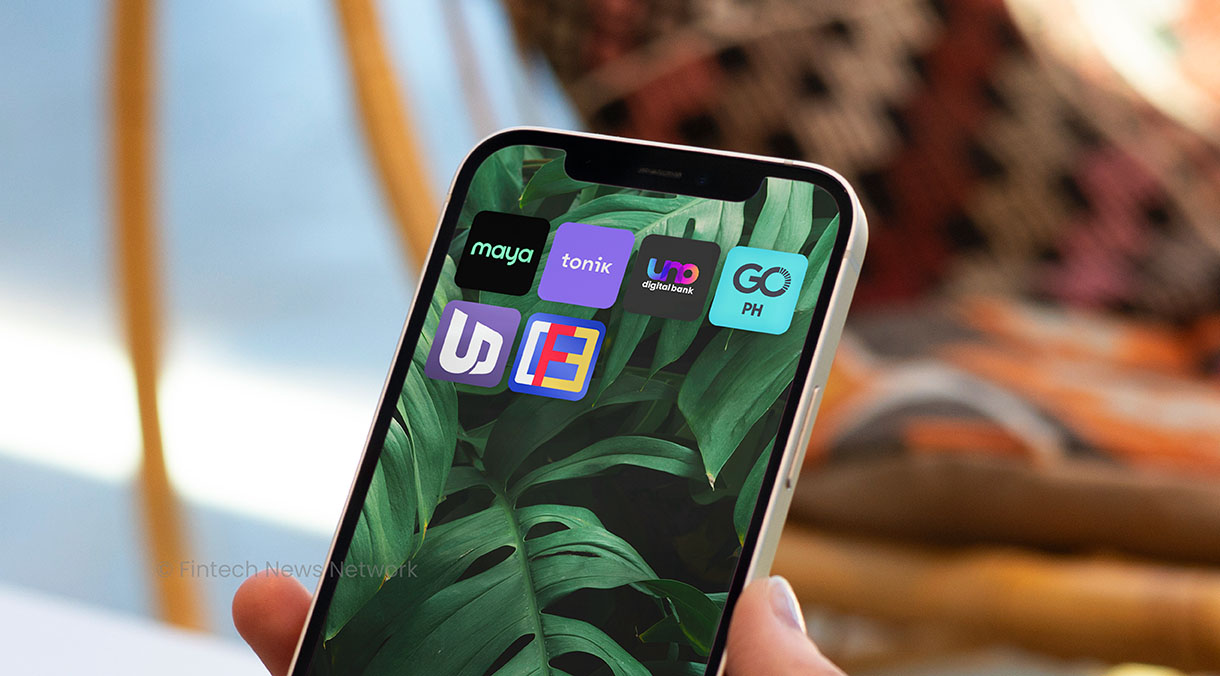
While Filipinos have enjoyed savings rates exceeding 3% (compared to the traditional bank average of 1.8%), this competition has yet to yield widespread profitability.
The regulator intends to issue up to four new digital banking licences by March 2026, aiming to bridge gaps in products that incumbents have not yet addressed.
Melchor Plabasan
Melchor Pablasan, Senior Director at the BSP, noted, “There are still products that the incumbents have not yet offered”.
Rumours suggest the UK-based fintech Revolut may be among the applicants, potentially introducing multi-currency savings accounts to the local market.
Existing players, however, have expressed concerns that new entrants could arrive too soon.
Tonik CEO Greg Krasnov warned that adding more banks could erode the margins of existing players.
Krasnov also highlighted that “fraud risk for digital banks remains very, very high,” particularly due to challenges with identity verification.
Despite these hurdles, industry leaders like Angelo Madrid of the Digital Bank Association of the Philippines observed that non-performing loan ratios have “meaningfully improved” as credit models mature.
Success for digital banks remains tied to data access.
Maya Bank’s integration with a digital wallet and telco giant PLDT has provided crucial “ecosystem” data to refine its lending.
As the industry moves toward the BSP’s open finance framework, the competitive landscape may shift, potentially levelling the playing field for both established and incoming virtual lenders.
Featured image: Edited by Fintech News Philippines based on an image by Freepik.