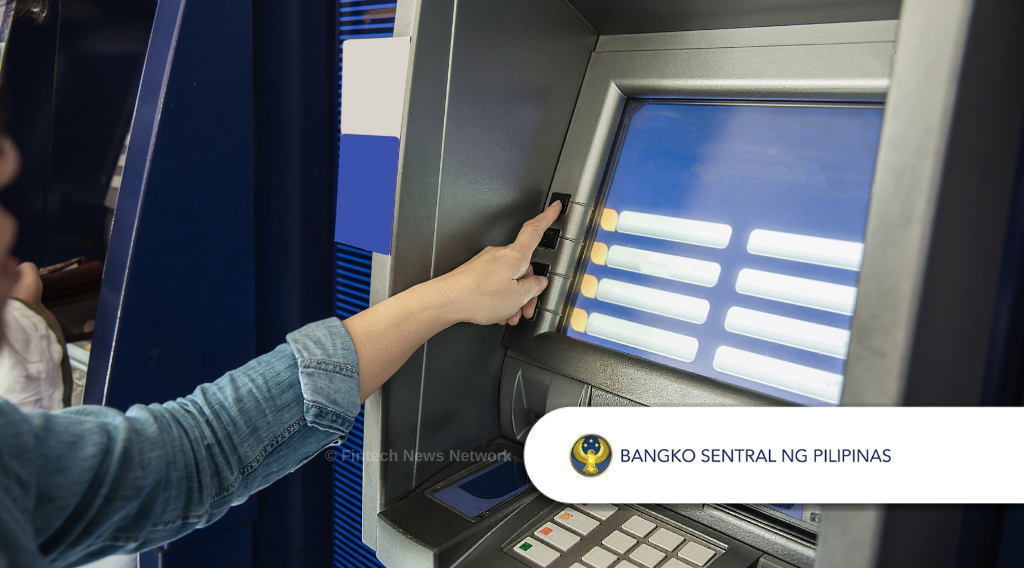
BSP Clarifies PHP 500,000 Withdrawal Cap Amid Growth Concerns
The limit applies only to cash withdrawals. Non-cash channels like checks, online transfers, and bank transfers are exempt from additional documentary requirements.
The statement comes as officials address concerns that the new cash cap may have contributed to the country’s recent economic slowdown.
In a press release issued on Tuesday, the BSP explained that the limit, implemented via Circular No. 1218 in September, applies only to cash withdrawals.
Non-cash transactions, such as cheques and online transfers, are exempt from additional requirements. For cash withdrawals exceeding the threshold, customers must present proof, such as a deed of sale or hospital bill.
“The circular is not intended to burden or financially exclude legitimate business or transactions… the BSP reinforces its current measures against the use of cash for illegal activities,” the central bank stated.
Separately, BSP Deputy Governor Zeno Ronald R. Abenoja dismissed suggestions that the policy dampened third-quarter GDP growth, which slowed to a four-year low of 4%.
Speaking to reporters, Abenoja noted the timing of the circular meant its impact was likely not reflected in the data.
Zeno Ronald R. Abenoja
“It was just implemented before the third-quarter numbers were released,” he said.
Some analysts believe the regulation’s economic impact will be “modest” due to the prevalence of digital transactions. However, Union Bank of the Philippines Chief Economist Ruben Carlo O. Asuncion warned it could burden cash-dependent sectors.
“If not paired with faster digital payment adoption… the policy could unintentionally push some transactions into informal channels,” Asuncion said.
The withdrawal ceiling was introduced as an anti-money laundering measure following a corruption scandal involving flood control projects.