The messages pose as alerts under the no-contact apprehension policy (NCAP), which uses cameras to record traffic violations, and direct recipients to fake payment websites.
Artes said the MMDA has no power to arrest scammers and relies on law enforcement to catch them.
The Philippine National Police (PNP) Anti-Cybercrime Group is investigating, and the MMDA has also filed a complaint with the National Bureau of Investigation (NBI) and coordinated with the Cybercrime Investigation and Coordinating Center (CICC), according to Pilipino Star Ngayon.
Card Details Are the Main Target
Artes said authorities should work with the Bangko Sentral ng Pilipinas (BSP) and the Anti-Money Laundering Council (AMLC) to cut off payments to the scammers.
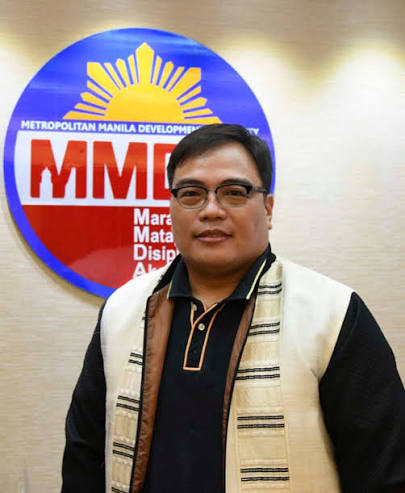
Romando Artes
“We will coordinate on how to stop the entry and exit of payment to scammers,” he said.
He also warned that scam texts aimed at credit card details are especially widespread.
Fake sites typically show a supposed violation, then ask for the card number, expiry date and CVV, Daily Tribune reported in August.
Some victims are also tricked into handing over one-time passwords (OTPs).
Nearly 200 Victims Since August
In August, the MMDA asked the NBI to investigate after nearly 200 motorists reported paying fake fines, Daily Tribune wrote.
Some messages demanded PHP 1,000 per alleged violation, and the scammers quickly set up new website addresses to replace old ones.
The MMDA has said genuine NCAP notifications come only from the sender “MMDA_NCAP”, never contain payment links and carry no late payment penalties, as per Inquirer.
Motorists can check for violations on the official May Huli Ka portal or through the eGovPH app, and report suspicious messages to the MMDA hotline 136.