



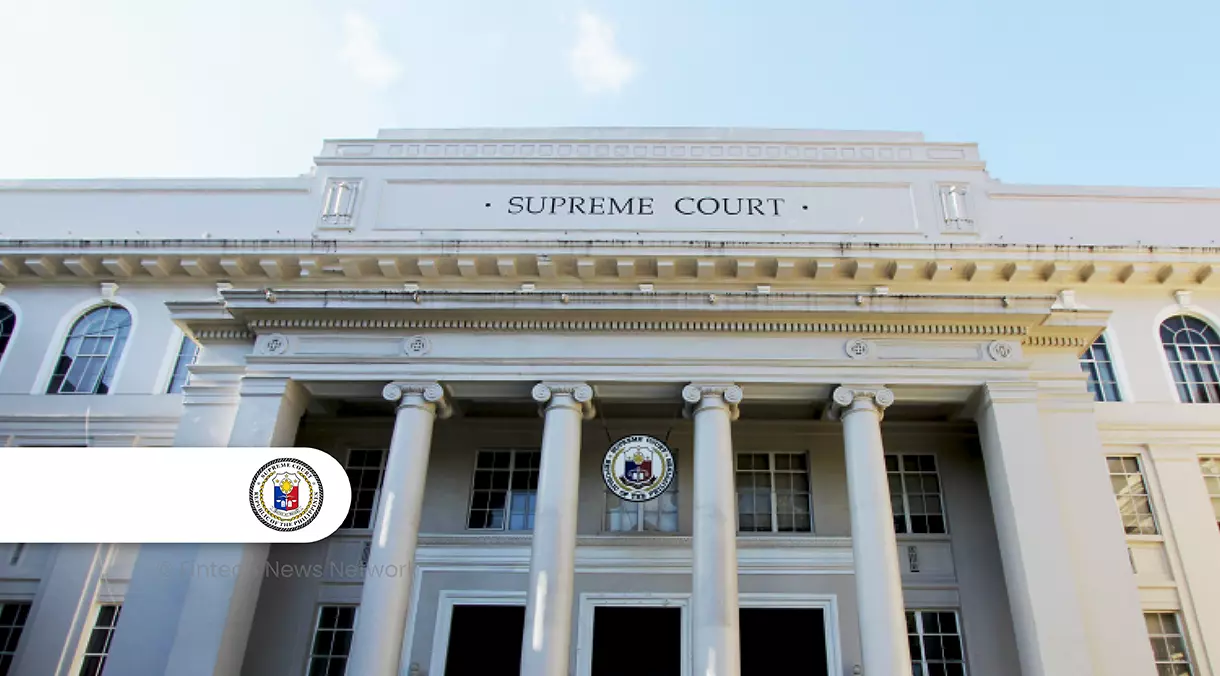
The Supreme Court has ruled that banks in the Philippines cannot deduct debts from a deceased client’s account on their own, and that probate courts can order banks to explain withdrawals made after an account holder’s death, according to the Philippine Daily Inquirer.
In a 7 July decision released on 9 October, the court’s Third Division upheld orders from a Quezon City Regional Trial Court (RTC) and the Court of Appeals.
These required Union Bank of the Philippines (UnionBank) to account for withdrawals from the accounts of former Negros Occidental Representative Ignacio “Iggy” Arroyo, who died in January 2012.

Daily Tribune noted that Arroyo’s estate administrators discovered the withdrawals after his death, made without the heirs’ knowledge.
UnionBank said it made the withdrawals under a survivorship agreement and used the funds partly to settle Arroyo’s remaining obligations.
Creditors Must Go Through the Probate Court
UnionBank argued that the probate court had overstepped its authority and that any attempt to recover the money belonged in a separate civil case, as The Manila Times detailed.
The Supreme Court disagreed, saying probate courts can provisionally decide whether disputed property belongs to an estate.
The court found that UnionBank had unilaterally deducted Arroyo’s supposed debts from his deposits, sidestepping the rules on claims against an estate.
As a creditor, the bank had to file its claims with the probate court and could not “skip the line” by taking estate assets to settle what it was owed.
Protecting a Deceased Person’s Estate
The court also said the probate court, not the bank, decides whether money covered by a survivorship agreement falls outside the estate.
These agreements, common on joint accounts, usually let the surviving account holder keep the funds when the other dies.
Estate administrators have a duty to identify, account for and protect a deceased person’s assets for heirs and creditors, the court added.
The ruling confirms they can ask probate courts to examine bank records when withdrawals after a death raise questions.
The decision does not settle whether the withdrawn funds belong to Arroyo’s estate. That question remains with the trial court.
Featured image: Edited by Fintech News Philippines based on an image by the Supreme Court of the Philippines via its website.
