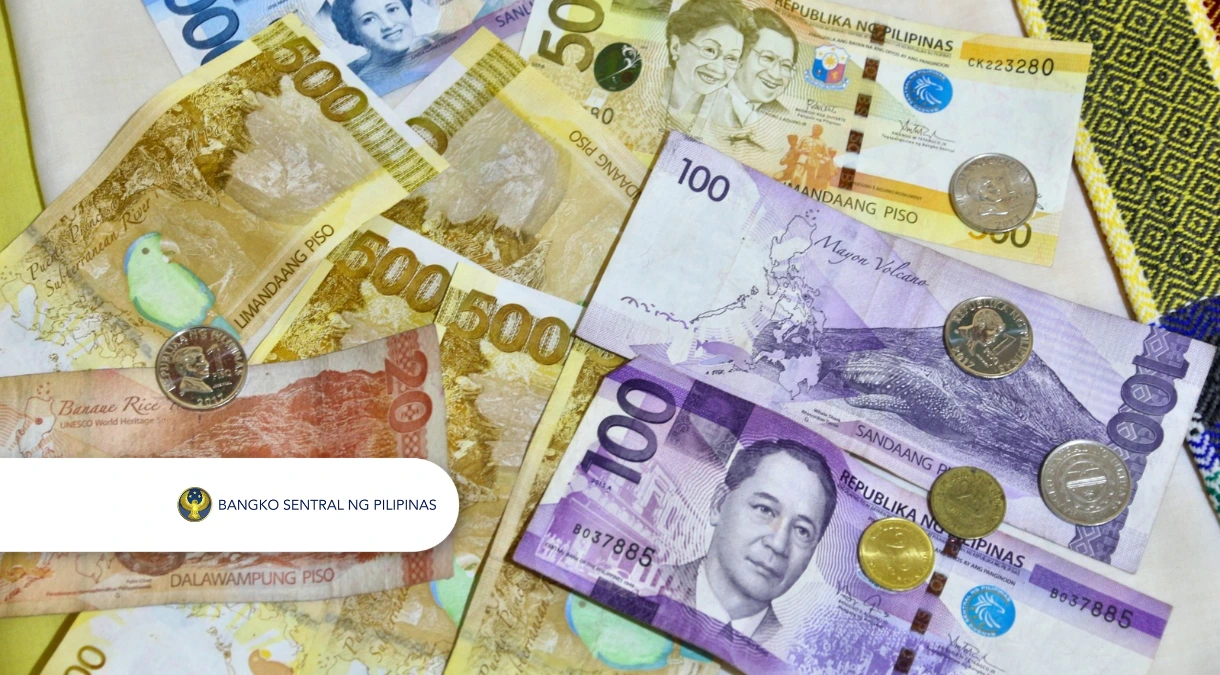
The BSP is setting up a production line at its Security Plant Complex in Quezon City, which will be able to produce about 500 million polymer banknotes a year. The move will reduce its reliance on foreign suppliers, such as Australia.
Mamerto Tangonan
“We have to learn to operate the polymer lines so that we’re not forever just importing,” said Mamerto Tangonan, BSP Deputy Governor for the Payments and Currency Management Sector.
He spoke on the sidelines of a tour of the facility on 9 November.
Longer-Lasting Notes
The polymer series includes the PHP 1,000 note, introduced in April 2022, as well as new PHP 500, PHP 100 and PHP 50 denominations.
According to the BSP, polymer banknotes last up to 7.5 years, compared with 1.5 years for paper notes.
The central bank has also said they have advanced security features that make them harder to counterfeit, and a lower global warming potential than paper.
Cash Sill in Demand
The investment comes as more Filipinos switch to digital payments, which accounted for 64.7% of retail transactions by volume in 2025, Manila Bulletin reported in August.
That still leaves more than a third of everyday payments made in cash.
Featured image: Edited by Fintech News Philippines based on an image by Marek Ślusarczyk via Wikimedia Commons.